


You know your baby better than anyone. When something feels different about their development, that parental instinct is rarely wrong – even when others say “every baby develops at their own pace.”
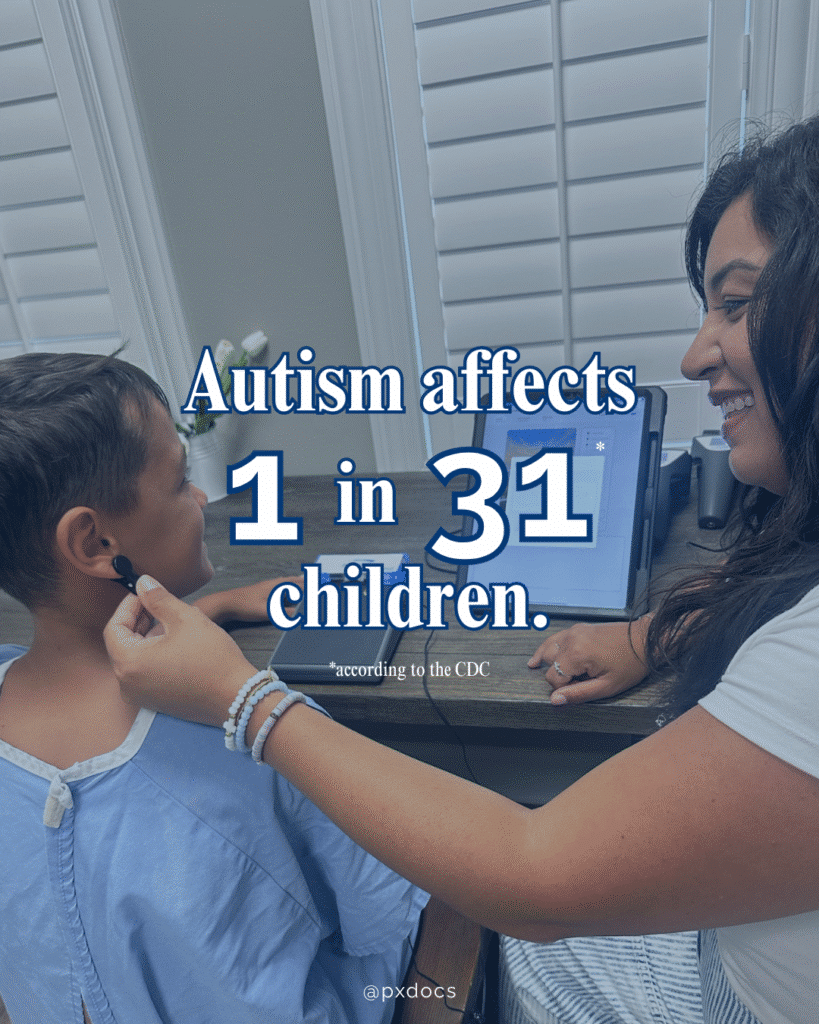
Today, 1 in 36 children receives an autism diagnosis, but the signs pediatricians watch for at 18-24 months aren’t the beginning. They’re simply when underlying nervous system challenges become impossible to ignore.
Those early regulation struggles with sleep, feeding, and calming? They’re often the first clues that your baby’s nervous system is stuck in “go mode” and struggling to find the calm, connected state needed for typical development.
Let’s explore what to watch for at each stage, understanding that autism doesn’t start with behavior – it starts with nervous system dysfunction that eventually shows up as developmental differences.
What Is Autism Spectrum Disorder?
Autism Spectrum Disorder (ASD) affects how a child communicates, interacts socially, and processes their environment. The “spectrum” means children present very differently – no two are alike.
Doctors diagnose autism through behavioral observation, not blood tests or scans. They watch how your child communicates, plays, and interacts, comparing what they see to expected milestones.
Early intervention makes an enormous difference. When children receive support during those critical early years – when brain plasticity is highest – they develop better communication skills, social connections, and independence.
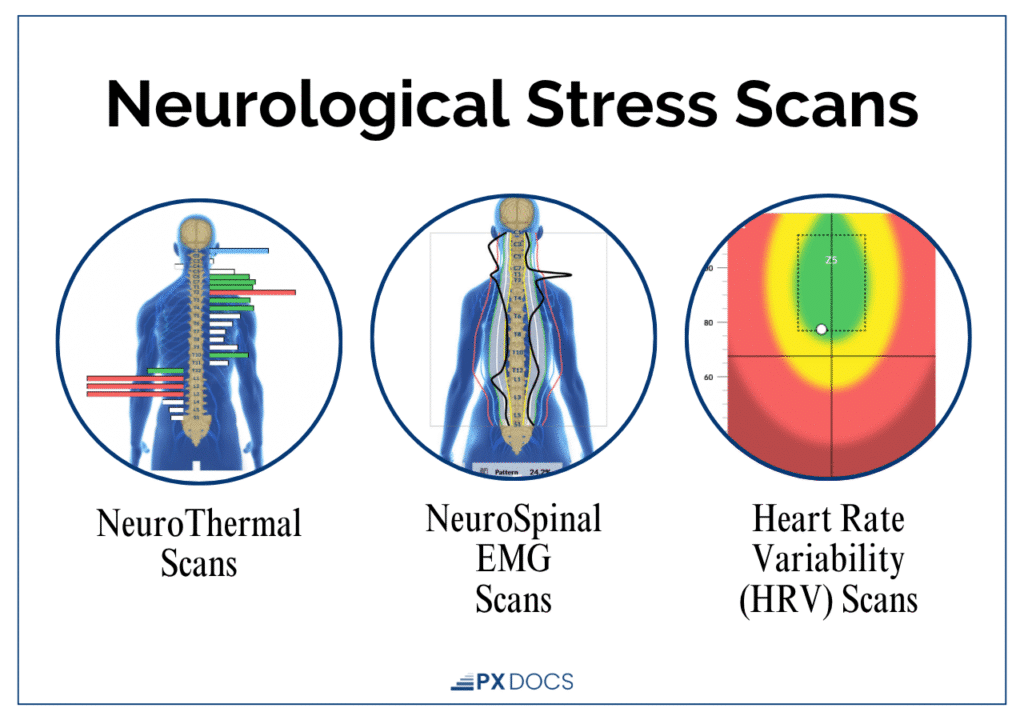
But here’s what most explanations miss: autism doesn’t begin with the behaviors we eventually see. It starts with a nervous system that can’t easily shift between “go mode” (alert, active) and “calm mode” (rest, connection, learning).
Understanding Normal Developmental Milestones
Before recognizing what’s different, you need to know what’s typical. These are ranges, not rigid deadlines, but delays across multiple areas deserve attention.
Birth to 6 Months
- Social smiling by 2-3 months
- Eye contact during feeding and play
- Cooing and responding to voices
- Turning toward familiar people
- Beginning to self-soothe
6 to 12 Months
- Babbling by 9 months
- Responding to their name
- Gestures like waving and pointing
- Following your gaze to see what you’re looking at
- Imitating simple actions
12 to 18 Months
- First words with clear meaning
- Pointing to show you interesting things
- Simple pretend play (feeding a doll)
- Imitating household activities
18 to 24 Months
- Two-word phrases (“more milk,” “daddy go”)
- Complex pretend play scenarios
- Growing interest in other children
- Following simple two-step instructions
All these milestones depend on one critical system: a well-regulated nervous system that can shift between alertness and calm as needed.
Early Signs of Autism by Age: What to Watch For
These warning signs suggest a child’s nervous system may be struggling to develop typical social, communication, and sensory processing abilities. We’re looking for patterns across multiple areas, not isolated behaviors.
Birth to 6 Months: Nervous System Regulation Signs
At this stage, concerning signs often look like nervous system dysregulation rather than “autism symptoms.” That colicky, arching, inconsolable baby may be showing you their system is stuck in fight-or-flight mode.
- Limited eye contact during feeding: Most babies naturally gaze at parents’ faces while nursing or bottle-feeding
- No social smiling by 3 months: That first responsive smile is a major milestone
- Doesn’t orient to parents’ voices: By 3-4 months, babies should turn toward familiar voices
- Extreme muscle tone: Either very stiff or unusually floppy muscle tone
- Inconsolable during routine care: Extreme distress during diaper changes, bathing, or dressing
- Sensory overwhelm: Excessive startling at normal sounds, distress in bright environments, strong reactions to gentle touch

If you’re noticing several of these early regulation challenges, you’re not imagining things. A nervous system evaluation can help identify whether your baby needs support shifting out of that constant “go mode” state.
Is your baby showing signs of nervous system stress? Dr. Cody Capeloto at Alive & Free Chiropractic in Cooper City specializes in supporting infant nervous system development. Early intervention makes the biggest difference.
Schedule a consultation today or call (754) 203-5907
6 to 12 Months: Communication and Social Gaps
The developmental gap starts widening here. While other babies babble, wave, and respond to their names, some babies aren’t reaching these milestones consistently.
- No babbling by 9 months: This affects both speech development and the social drive to communicate
- Doesn’t respond to name by 9 months: One of the earliest, most reliable indicators
- Missing gestures: No pointing, waving, or reaching toward you
- Limited facial expressions: Expressions may be flat or don’t match the situation
- Poor visual tracking: Doesn’t follow objects with their eyes or look where you’re looking
- Sound sensitivity extremes: Either over-reactive or under-reactive to environmental sounds
12 to 18 Months: Clear Developmental Differences
By this age, nervous system dysfunction that may have started at birth now affects every area of development.
- Fewer than 6 words by 18 months: Significant speech delay
- No pretend play or imitation: Missing simple pretend play like feeding a stuffed animal
- Doesn’t point to share interest: No “look at that!” pointing to show you interesting things
- Prefers solitary play: Consistently chooses objects over people
- Loss of acquired skills: Losing words or abilities they previously had (regression)
- Intense object fixation: Extreme attachment to unusual objects or parts of toys
18 to 24 Months: Unmistakable Patterns
Many pediatricians suggest “wait and see” until 24 months, but a struggling nervous system needed support long before now.
- No two-word phrases by 24 months: Missing combinations like “more milk” or “daddy go”
- No interest in other children: Doesn’t watch, approach, or respond to peers
- Extreme routine dependence: Small changes trigger complete meltdowns
- Repetitive movements: Hand flapping, spinning, rocking, or head banging (stimming)
- Persistent toe walking: Walking on tiptoes consistently past 18 months
- Unusual play patterns: Lining up toys instead of functional or imaginative play
Signs That Appear Across All Ages
These patterns can show up from infancy through toddlerhood, all pointing to autonomic nervous system dysregulation:
- Sensory processing differences: Either craving intense input (sensory-seeking) or withdrawing from touch, sounds, and textures (sensory-avoiding)
- Sleep disturbances: Difficulty falling asleep, frequent night waking, very early morning waking
- Feeding challenges: Extreme texture aversion, severe food selectivity, difficulty transitioning between foods
- Emotional regulation struggles: Intense tantrums, difficulty recovering from upset, extreme reactions to minor changes
When Should You Be Concerned?
Trust your instincts. If you notice several signs across different developmental areas, or if your child is losing skills they once had, don’t wait.
Seek immediate medical attention if your child:
- Stops using words or skills they previously had
- Shows sudden, dramatic behavioral changes
- Has severe feeding difficulties affecting growth
- Displays self-injurious behaviors
Your pediatrician should be your first stop for developmental concerns, but remember: you can pursue multiple types of support simultaneously.
The Nervous System Connection
What if those early “difficult baby” signs weren’t just personality or bad luck? What if they were your baby’s nervous system crying out for help?
When a baby’s nervous system gets stuck in sympathetic dominance (“go mode”), they struggle with:
- Calming and self-soothing
- Social engagement and eye contact
- Processing sensory information appropriately
- Developing communication skills
- Flexible thinking and behavior
The earlier we can help a child’s nervous system find balance – shifting easily between alert engagement and calm restoration – the better their developmental trajectory.
What Can Parents Do Right Now?
While you’re seeking professional evaluations and support, you can help your child’s nervous system in simple ways:
- Create predictable routines: Consistency helps an overwhelmed nervous system feel safer
- Minimize sensory overload: Dim lights, reduce background noise, limit overwhelming environments
- Practice co-regulation: Stay calm yourself – your regulated nervous system helps regulate theirs
- Prioritize sleep and nutrition: These fundamentals support nervous system healing
- Trust your instincts: You know your child best
Getting Support in Cooper City and South Florida
If you’re recognizing these signs in your baby, you’re not alone, and you’re not powerless. Early nervous system support can make an incredible difference in your child’s developmental trajectory.
At Alive & Free Chiropractic, Dr. Cody Capeloto specializes in pediatric nervous system care, helping babies and children shift out of that stuck “fight or flight” state that interferes with healthy development.
Serving families throughout Cooper City, Pembroke Pines, Davie, Hollywood, Weston, and Miramar, we focus on supporting your child’s nervous system so their natural developmental abilities can emerge.
Ready to give your child’s nervous system the support it needs?
Schedule your consultation with Dr. Capeloto today or call (754) 203-5907.
Please note: Alive & Free Chiropractic does not bill major medical insurance. We focus entirely on providing the highest quality nervous system care for your family.