


Many parents try everything: speech therapy, occupational therapy, supplements, diet changes, and behavioral support. There’s progress at first, then it stalls. Sometimes it even regresses.
What’s often missing isn’t another therapy – it’s understanding what’s actually happening in your child’s nervous system.
Your child’s nervous system works like an operating system for their entire body, controlling sleep, digestion, immunity, behavior, and emotional regulation. When this foundational system is dysregulated or stuck in stress mode, every other intervention works harder but delivers less.
What Happens When Your Child’s Nervous System Gets Stuck?
Your child’s nervous system has two main modes that work like a gas pedal and brake:
“Go Mode” (Sympathetic): This is your child’s stress response system. Heart rate increases, breathing quickens, digestion slows down. This mode is meant for short bursts, not constant activation.
“Calm Mode” (Parasympathetic): This allows your child to sleep deeply, digest food properly, regulate emotions, and build new brain connections needed for development.
When your child’s nervous system gets stuck in “go mode,” their body believes it’s facing an ongoing threat. The stress response stays activated for hours, days, even months. Everything that requires calm – sleep, digestion, learning, emotional regulation – struggles.
Signs Your Child’s Nervous System May Be Dysregulated
Physical Signs:
- Sleep struggles despite exhaustion
- Chronic digestive issues (constipation, loose stools)
- Frequent illness or slow recovery
- Intense sensory sensitivities to textures, sounds, or touch
Behavioral Signs:
- Meltdowns over small triggers
- Hyperactivity or complete withdrawal
- Explosive emotional reactions
- Difficulty calming down once upset
- Persistent worry or fearfulness
Developmental Signs:
- Speech and language delays
- Motor skill challenges
- Learning difficulties despite intelligence
- Social interaction struggles
These aren’t separate problems requiring separate solutions. They’re all connected to a dysregulated nervous system that can’t access the calm state needed for healing, growth, and development.

Ready to understand what’s really happening with your child’s nervous system?
Dr. Cody Capeloto specializes in helping children’s nervous systems shift from chronic stress mode into calm, regulated states where healing and development can happen naturally.
Schedule a consultation in Cooper City or call (754) 203-5907
Why Does Progress Plateau Without Nervous System Healing?
Think of your child’s nervous system as the foundation of a house. You can paint the walls, rearrange the furniture, and add beautiful decorations (therapies and interventions), but if the foundation is unstable, everything else remains shaky.
When your child’s nervous system is stuck in chronic stress mode, their brain-body communication is disrupted. This affects:
- Sleep quality: Without proper rest, the brain can’t consolidate new skills learned in therapy
- Digestive function: Poor gut health affects mood, behavior, and nutrient absorption
- Stress adaptability: Small challenges feel overwhelming, triggering fight-or-flight responses
- Learning capacity: The brain needs calm states to form new neural pathways
The “Perfect Storm” That Creates Nervous System Dysregulation
When we evaluate children with nervous system dysregulation, we rarely find just one cause. Instead, we see a pattern of layered stressors that compound over time – what we call the “Perfect Storm.”
Understanding this pattern isn’t about blame. No single factor “caused” your child’s challenges, and nothing you did created this situation.
How the Layers Build:
Prenatal Stress: Your baby’s nervous system starts developing before birth. Chronic stress during pregnancy can program the developing nervous system for constant vigilance rather than calm regulation.
Birth Interventions: Birth introduces physical stress to your baby’s developing nervous system. Extended labor, interventions, or rapid delivery can create tension that affects how the nervous system functions.
Early Life Stressors: Frequent illness, medication use, feeding difficulties, or sleep disruption in those crucial early months can keep the nervous system stuck in stress mode.
Environmental Factors: Toxins, processed foods, screen time, and chronic stress in the home environment can overwhelm a child’s developing stress response system.
How Neurologically-Focused Chiropractic Supports Nervous System Healing
At Alive & Free Chiropractic, we focus on helping your child’s nervous system shift from chronic “go mode” into regulated states where natural healing and development can occur.
Through gentle, precise adjustments, we help remove interference in brain-body communication. When the nervous system can communicate clearly, your child’s body remembers how to:
- Shift smoothly between active and calm states
- Process sensory information without overwhelm
- Regulate sleep cycles naturally
- Support healthy digestion and immune function
- Build new neural pathways for learning and development
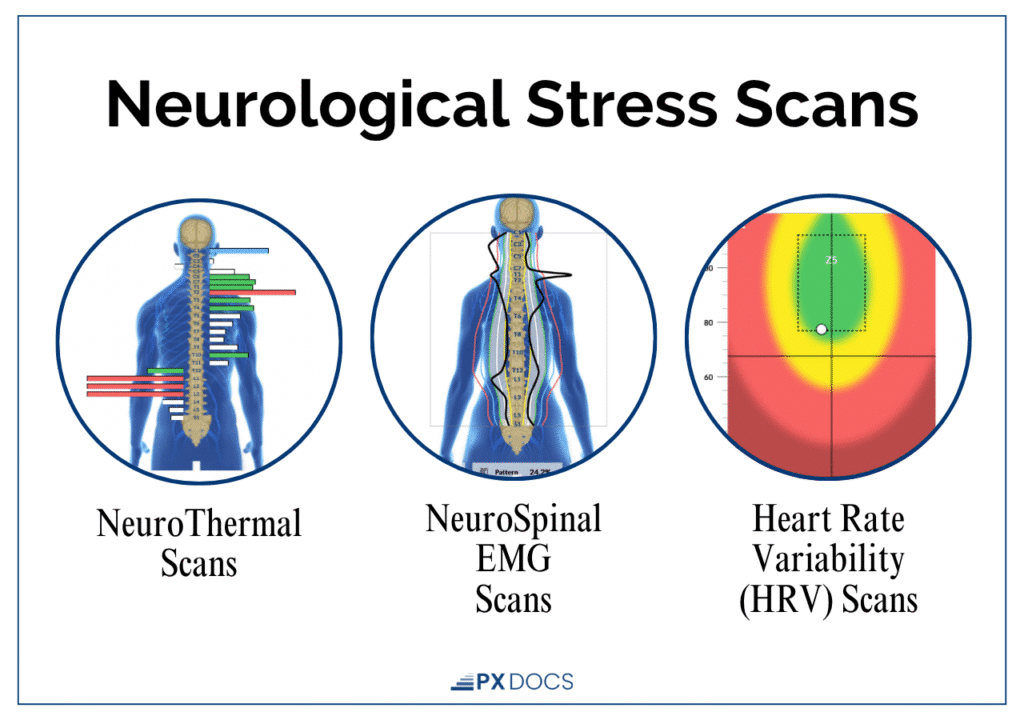
We use advanced technology to measure your child’s nervous system function, tracking improvements over time so you can see real progress in their stress adaptability and regulation.

When to Seek Medical Care
While nervous system dysregulation underlies many childhood challenges, it’s important to work with your pediatrician for any sudden, severe, or worsening symptoms. Always seek immediate medical attention for high fevers, difficulty breathing, severe dehydration, or any symptoms that concern you as a parent.
What Parents Notice When Nervous System Healing Begins
When your child’s nervous system starts to regulate and heal, families often notice changes in this order:
Week 1-2: Better sleep patterns, easier bedtime routines
Week 3-4: Improved digestion, less constipation or stomach upset
Week 4-6: Calmer responses to changes or unexpected events
Week 6-8: Better focus during therapies, more progress in developmental goals
Week 8+: Continued improvements in speech, social skills, and emotional regulation
Every child’s healing journey is unique, but supporting nervous system regulation creates the foundation for all other therapies to work more effectively.
Supporting Your Child’s Nervous System at Home
While professional care addresses the underlying nervous system dysregulation, these strategies can support your child’s regulation at home:
- Create predictable routines: Consistent schedules help the nervous system feel safe
- Limit screen time: Especially before meals and bedtime
- Encourage outdoor play: Natural movement and fresh air support nervous system regulation
- Practice deep breathing together: Simple breathing exercises activate the calm response
- Reduce processed foods: Focus on whole foods that don’t stress the digestive system
Ready to Address the Root Cause of Your Child’s Challenges?
If you’re tired of progress that stalls and you’re ready to support your child’s nervous system healing, we’re here to help.
Dr. Cody Capeloto has helped hundreds of children in Cooper City, Pembroke Pines, Davie, Hollywood, Weston, and Miramar shift from chronic stress mode into calm, regulated states where natural development can flourish.
Take the first step toward lasting progress for your child.
Schedule Your Consultation Today
Call (754) 203-5907 | Alive & Free Chiropractic, Cooper City, FL
*We do not bill major medical insurance