


Most parents in Cooper City understand the exhausting feeling of trying to do everything right. Specialists, therapies, clean diets, supplements – your planner overflows while you feel like you’re moving in every direction but forward.
The worst part? Doing everything and still feeling stuck. Sleep remains difficult. Congestion won’t clear. Meltdowns continue. Your child’s nervous system seems unable to shift out of “go mode” into the calm, regulated state where real healing happens.
When families have tried everything and progress stalls, we need to look beyond the usual approaches. One of the most overlooked stressors keeping children’s nervous systems dysregulated is environmental toxicity – especially mold exposure.
What Happens When Mold Affects Your Child’s Nervous System?
Mold isn’t just about stuffy noses or allergies. The toxic byproducts that molds release (called mycotoxins) are neurotoxins that directly impact your child’s developing brain and nervous system.
When your child breathes air contaminated with these toxins, they cross the blood-brain barrier and create inflammation in the brain itself. This keeps the nervous system stuck in survival mode – that “fight or flight” state where the body prioritizes immediate safety over growth, learning, and healing.

Think of it this way: your child’s autonomic nervous system has two main modes. “Go mode” (sympathetic) handles stress and danger, while “calm mode” (parasympathetic) allows for rest, digestion, immune function, and development. Chronic mold exposure keeps that gas pedal floored while the brake pedal stops working.
Why Some Children Are More Affected by Mold Than Others
Research shows that roughly 25% of the population has genetic variations that make it harder to recognize and eliminate mycotoxins efficiently. These children’s bodies simply can’t clear the toxic load as quickly as others.
For these sensitive children, even low-level mold exposure becomes a constant source of nervous system stress. Their bodies are working overtime just to cope, leaving little energy for the important work of development and regulation.
Ready to support your child’s nervous system naturally? Our neurologically-focused approach helps families in Cooper City, Pembroke Pines, and Davie identify what’s keeping their child’s system dysregulated. Schedule a consultation with Dr. Cody Capeloto to learn how pediatric chiropractic care can help your child’s nervous system find balance.
How Do You Know if Mold is Affecting Your Child?
Mold toxicity symptoms often don’t fit together in obvious ways, which is why they’re frequently missed. Parents describe a puzzle of challenges that seem unrelated:

Common Signs Your Child’s Nervous System May Be Reacting to Mold:
- Chronic congestion or respiratory issues that don’t respond to typical treatments
- Behavioral challenges that seem to come out of nowhere
- Unusual fatigue in a young child
- Difficulty with attention and focus
- Sleep disturbances and trouble settling down
- Increased sensory sensitivities
- Frequent meltdowns or emotional dysregulation
- Digestive issues and constipation
- Frequent illnesses or slow recovery from illness
The Tell-Tale Pattern: Symptoms Improve Away from Home
One of the biggest red flags is when your child does better away from home. Maybe they’re calmer at school, sleep better during vacations, or seem more regulated at grandparents’ houses. This contrast suggests their nervous system is responding to environmental stressors in your home.

Where Toxic Molds Hide in South Florida Homes
Our Cooper City climate creates perfect conditions for mold growth. High humidity, frequent storms, and older construction mean many families are dealing with hidden mold without realizing it.
Common Hiding Spots:
- Behind appliances (especially refrigerators and washing machines)
- Under sinks and around plumbing
- In HVAC systems and ductwork
- Basements, crawl spaces, and attics
- Areas with previous water damage
- Around windows and doors where moisture collects
The challenging reality: if mold is actively growing in your home, your child is being re-exposed 24/7. Their nervous system never gets the break it needs to process the toxic load and begin healing.
Supporting Your Child’s Recovery from Mold Exposure
The good news? When mold sources are identified and properly remediated, many families see rapid improvements – sometimes within days. Once that constant toxic stress is removed, the nervous system can finally shift out of survival mode.
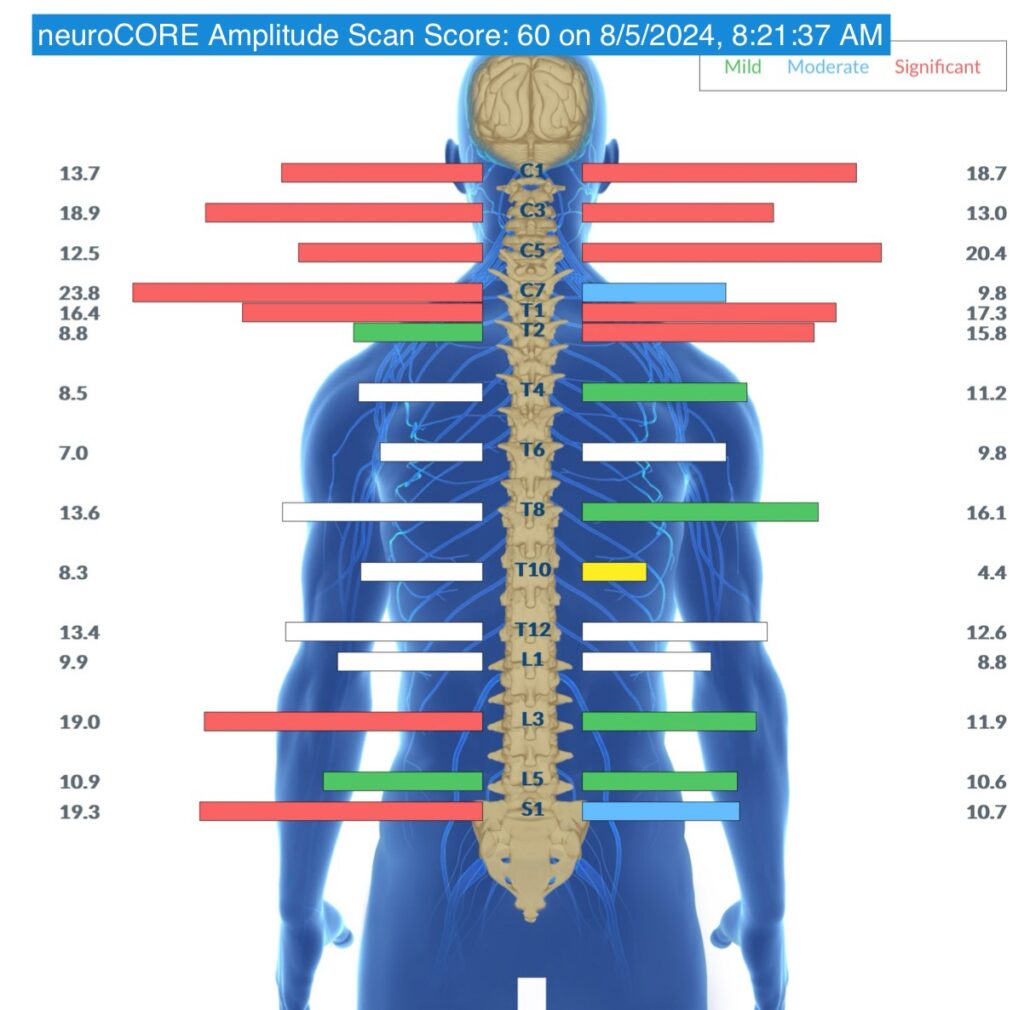
Essential Steps for Recovery:
- Professional Assessment: Work with qualified mold inspectors who understand the health impacts, not just visible growth
- Proper Remediation: Address the source, not just surface cleaning
- Nervous System Support: Help your child’s system learn to regulate again through gentle, neurologically-focused care
- Reduce Total Stress Load: Support their body’s natural detoxification while addressing other stressors
Important safety note: If your child is experiencing severe respiratory symptoms, sudden behavioral changes, or any concerning symptoms, consult with your pediatrician immediately for proper medical evaluation.
How Pediatric Chiropractic Supports Nervous System Recovery
At Alive & Free Chiropractic, we focus on helping your child’s nervous system find its natural balance again. Through gentle, specific adjustments along the spine – the main access point to the nervous system – we help reduce interference that keeps the system stuck in stress mode.
Our approach isn’t about treating mold toxicity directly, but rather supporting the nervous system’s ability to adapt, regulate, and heal. When the brain-body communication pathways are functioning optimally, your child’s system can better handle environmental stressors and shift into the calm, regulated state where development thrives.
Questions Parents Ask About Mold and Nervous System Health
How long does it take to see improvements after mold removal?
Many families notice changes within days to weeks once the source is eliminated. However, supporting the nervous system’s recovery process often takes additional time as the body learns to regulate again.
Can mold exposure cause long-term developmental issues?
Chronic exposure during critical developmental periods can impact nervous system function, but the developing nervous system is also remarkably adaptable. With proper support, many children make significant improvements.
Should we test our child for mold toxicity?
Testing can be helpful, but clinical improvement often occurs faster than test results normalize. Focus on environmental assessment and nervous system support while working with qualified healthcare providers.
Help Your Child’s Nervous System Find Balance
If you suspect environmental stressors are keeping your child’s nervous system dysregulated, you don’t have to figure this out alone. Dr. Cody Capeloto specializes in helping Cooper City families identify and address what’s keeping their children stuck in stress mode.
Our office serves families throughout Cooper City, Pembroke Pines, Davie, Hollywood, Weston, and Miramar with gentle, neurologically-focused pediatric care.
Schedule Your Consultation Today
Call us at (754) 203-5907 | We do not bill major medical insurance