

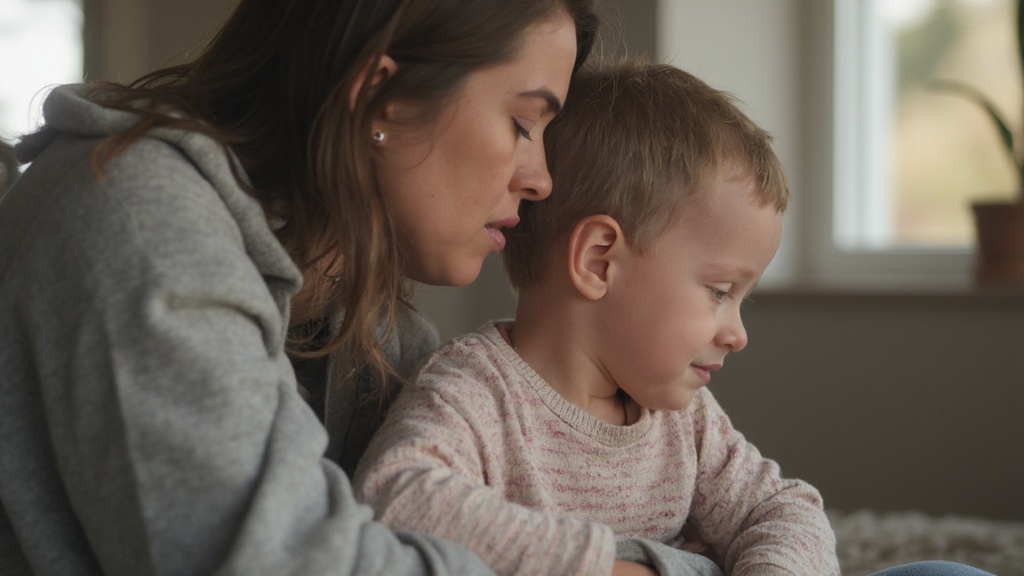
You notice your child covers their ears at the slightest noise. They melt down when you try to put on certain clothes. Tags in shirts become battles, and trips to the grocery store feel impossible.
If this sounds familiar, you’re not alone – and more importantly, you’re not imagining it. What you’re seeing are signs that your child’s nervous system is stuck in “go mode” and struggling to process the sensory world around them calmly.
The good news? There’s a neurological explanation for sensory processing challenges, and when you address the root cause in the nervous system, many children show remarkable improvement.
What Is Sensory Processing Disorder?
Sensory processing disorder (SPD) occurs when your child’s nervous system has difficulty receiving, organizing, and responding to sensory information. Think of it like static on a radio – the signal is there, but it’s not coming through clearly.
Your child processes information through eight sensory systems, not just the five you learned in school:
- Sight, sound, smell, taste, and touch
- Vestibular system (balance and spatial orientation)
- Proprioception (body awareness)
- Interoception (internal body signals like hunger)
When these systems aren’t communicating properly with the brain, everyday experiences become overwhelming or confusing. Some children are over-responsive – normal sensations feel too intense. Others are under-responsive and seem not to notice things that should get their attention.
As Dr. Cody Capeloto often explains to families at Alive & Free Chiropractic, sensory processing challenges aren’t about behavior problems. They’re about a nervous system working hard but not efficiently.
How Your Child’s Nervous System Controls Sensory Processing
Your child’s nervous system is the master controller, constantly receiving millions of bits of sensory information every second. The brainstem acts like a gatekeeper, filtering sensory input before it reaches higher brain centers.
When this gatekeeper works well, your child can focus on what matters and tune out what doesn’t. But when the nervous system is stuck in stress mode, that filter doesn’t work properly.
The Stress Response Connection
When your child’s nervous system perceives threat – even if there’s no actual danger – it shifts into “go mode” (the sympathetic fight-or-flight response). This should be temporary, but many children get stuck in this state.
In chronic stress mode, the nervous system becomes hypersensitive. Normal sounds feel like alarms, gentle touches feel irritating, and routine changes feel dangerous.
The parasympathetic “calm mode” should balance this out, helping your child rest, digest, and engage peacefully with their environment. When that balance is disrupted, sensory processing goes haywire.
Brain-Body Communication Breakdown
The vagus nerve is a superhighway of communication between your child’s brain and body. It regulates their stress response and helps them feel safe enough to engage with their environment.
When this brain-body communication is strong, your child can adapt to different sensory experiences easily. They transition from playtime to quiet time without major meltdowns. But when communication breaks down, adaptability disappears and sensory challenges intensify.
Ready to help your child’s nervous system find balance? Dr. Cody Capeloto specializes in nervous system care for children with sensory challenges in Cooper City and surrounding areas like Pembroke Pines, Davie, and Weston.
What Triggers Sensory Processing Challenges in Children?
Understanding what may have contributed to your child’s sensory difficulties can help you make sense of their journey. Certain experiences can impact nervous system development and create lasting effects on sensory processing.
Birth Stress and Early Nervous System Impact
The birth process can create stress on a newborn’s delicate nervous system. Long labors, interventions, C-sections, or the use of forceps and vacuum extraction can all impact the brainstem – the exact area that controls sensory processing.
Many parents don’t realize these early experiences can influence how their child’s nervous system develops and responds to sensory input throughout childhood.
Accumulated Stress Load
As your child grows, their nervous system continues developing. The stress load can build from:
- Physical stress: Falls, bumps, poor posture from screens
- Chemical stress: Processed foods, environmental toxins
- Emotional stress: Changes, transitions, overwhelming environments
Even seemingly minor incidents accumulate and affect nervous system function. Modern factors like excessive screen time, reduced outdoor play, and processed diets weren’t part of childhood even a generation ago.
Does Your Child Show Signs of Sensory Processing Challenges?
Sensory processing issues look different in every child. Some signs are obvious, while others are subtler. You might notice your child struggling with:
Touch and Texture Sensitivity
- Extreme reactions to clothing textures, tags, or seams
- Avoiding certain foods based on texture rather than taste
- Difficulty with activities requiring touch like art projects
Sound and Environment Overwhelm
- Covering ears or distress from everyday sounds
- Becoming overwhelmed in busy places like stores
- Difficulty concentrating in noisy environments
Movement and Body Awareness Issues
- Seeming clumsy or frequently bumping into things
- Difficulty sitting still or constantly seeking movement
- Avoiding playground equipment like swings or slides
Emotional Regulation Struggles
- Intense reactions that seem disproportionate
- Difficulty with transitions or routine changes
- Frequent meltdowns, especially in stimulating environments
Important: If your child shows sudden changes in behavior, severe developmental regression, or concerning symptoms, consult your pediatrician to rule out medical conditions requiring immediate attention.
How Can You Support Your Child’s Sensory Processing?
The key to helping children with sensory processing challenges lies in supporting their nervous system’s ability to regulate and adapt. When you address the root cause – nervous system dysregulation – rather than just managing symptoms, many children show significant improvement.
Nervous System-First Approach
Neurologically-focused chiropractic care helps remove interference in your child’s nervous system, particularly where the spine meets the brainstem. This area is crucial for sensory processing and stress regulation.
By supporting proper brain-body communication, we help your child’s nervous system shift from chronic “go mode” into balanced function where sensory processing can normalize.
Home Strategies to Reduce Stress Load
You can support your child’s nervous system at home by:
- Creating predictable routines that feel safe
- Limiting screen time, especially before bedtime
- Encouraging outdoor play and movement
- Providing nutrient-dense, whole foods
- Ensuring adequate sleep in a calm environment
- Using deep breathing or gentle movement when overwhelmed
When Should You Seek Professional Help?
Consider neurological evaluation if your child’s sensory challenges:
- Interfere with daily activities like eating, dressing, or sleeping
- Impact their ability to learn or socialize
- Cause frequent family stress or conflict
- Don’t improve with environmental modifications
- Seem to be getting worse over time
Early intervention focused on nervous system health can make a significant difference in your child’s development and your family’s quality of life.
Hope for Families Dealing with Sensory Processing Challenges
Sensory processing disorder isn’t a diagnosis your child will carry forever. It’s often a sign that their nervous system needs support to function optimally.
When you address the underlying nervous system dysfunction rather than just managing symptoms, many children experience:
- Better tolerance for different textures and sounds
- Easier transitions and less frequent meltdowns
- Improved sleep and emotional regulation
- Greater adaptability in challenging environments
- Enhanced focus and learning capacity
Remember, your child isn’t broken or difficult – their nervous system just needs help finding its natural balance.
Ready to Help Your Child Thrive?
Dr. Cody Capeloto specializes in nervous system care for children with sensory processing challenges. Serving families in Cooper City, Pembroke Pines, Davie, Hollywood, Weston, and Miramar.
Alive & Free Chiropractic does not bill major medical insurance.
Questions? Call us at (754) 203-5907