

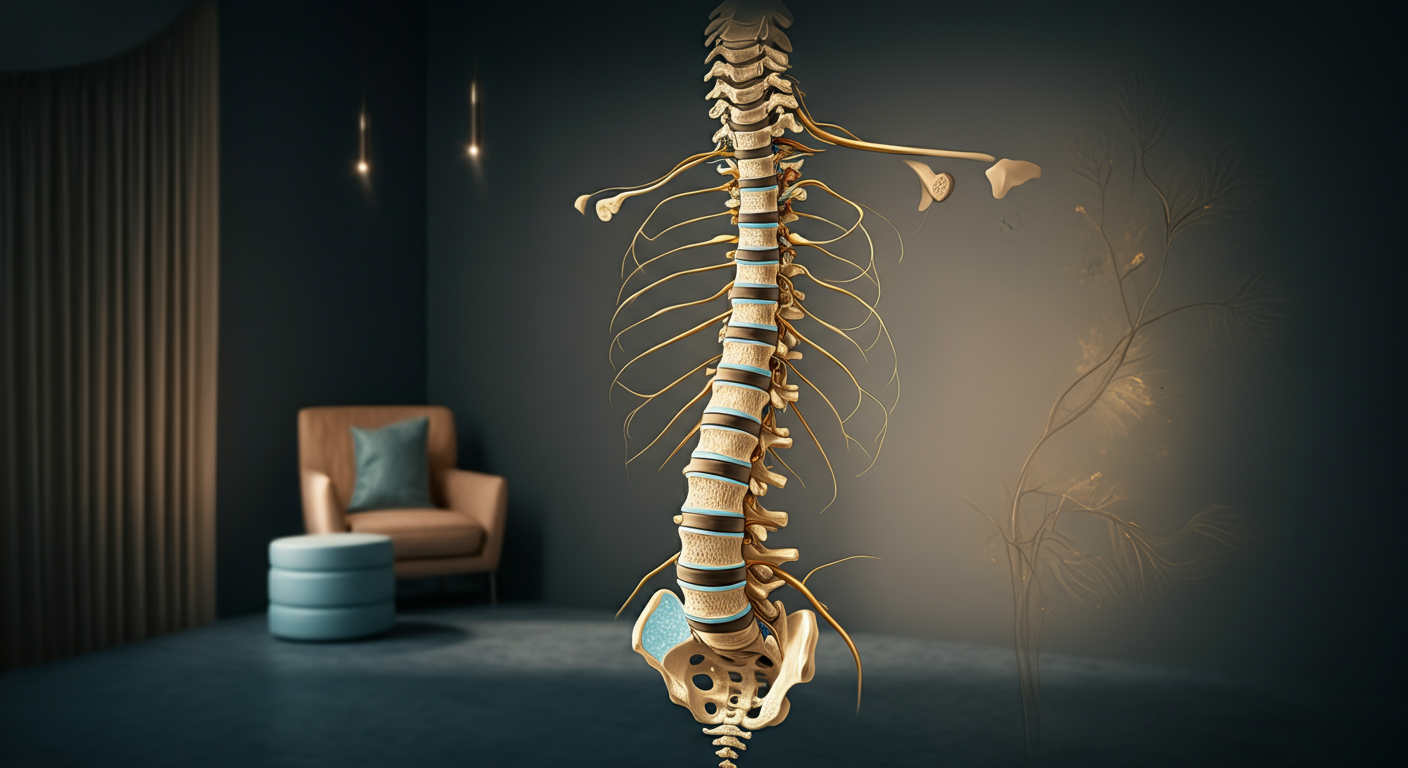
If your child struggles with sleep issues, frequent meltdowns, digestive problems, or seems constantly “on edge,” you’re not alone—and you’re not imagining it. Many parents in Cooper City notice these patterns but can’t quite pinpoint what’s wrong. The answer often lies in something you might not have considered: their nervous system.
Your child’s sympathetic nervous system—the part responsible for the “fight or flight” response—plays a crucial role in how they experience the world. When this system becomes stuck in overdrive, it can create a cascade of health challenges that affect everything from sleep to digestion to behavior.
In this article, you’ll learn how the sympathetic nervous system impacts childhood health, why some children get stuck in stress mode, and what you can do to help your child find balance and healing.
Understanding Your Child’s Sympathetic Nervous System
Your child’s nervous system has two main operating modes: sympathetic (the gas pedal) and parasympathetic (the brake pedal). The sympathetic nervous system is designed to activate during moments of stress or danger, preparing the body to respond quickly.
When working properly, this system helps your child react appropriately to challenges, then returns to a calm, balanced state. Think of it as a helpful alarm system that turns on when needed and turns off when the danger passes.
However, many children today are living with their sympathetic nervous system constantly activated. Instead of shifting back to rest-and-digest mode, they remain stuck in fight-or-flight, even when they’re safe at home or playing with friends.
What Causes Sympathetic Dominance in Children?
Several factors can push a child’s nervous system into this stuck state. Birth interventions like forceps delivery, vacuum extraction, or C-section can create stress on the infant’s delicate spine and nervous system. Even seemingly “normal” births can involve significant physical stress.
Early childhood falls, tumbles, and accidents add up over time. That bump off the changing table at six months or the fall from the slide at age three might seem minor, but these events can create tension patterns in the nervous system.
Emotional stress matters too. Separation anxiety, school pressures, family changes, and even the constant stimulation from screens can keep your child’s nervous system on high alert. When stress becomes chronic, the body forgets how to relax.
How Sympathetic Overload Shows Up in Children’s Health
When your child’s sympathetic nervous system runs too hot for too long, you’ll see it manifest in their daily life. These aren’t character flaws or behavioral problems—they’re signs that their nervous system needs support.
Sleep Disruptions and Night Waking
A child stuck in sympathetic mode has trouble winding down at bedtime. Their body is producing stress hormones when it should be releasing melatonin. You might notice difficulty falling asleep, frequent night waking, restless sleep, or early morning wake-ups.
Some children resist bedtime with everything they have, becoming more hyperactive as the evening progresses. Others wake multiple times per night, unable to stay in deep, restorative sleep cycles.
Digestive Issues and Feeding Challenges
The digestive system essentially shuts down during fight-or-flight mode. Blood flow redirects away from digestion and toward the muscles needed to escape danger. For children in chronic sympathetic dominance, this means ongoing digestive struggles.
You might see constipation, stomachaches, reflux, or difficulty with certain textures and foods. Many parents notice their child has a sensitive stomach or seems to react to everything they eat. Our pediatric chiropractic approach addresses these concerns by helping restore nervous system balance, allowing the digestive system to function as it should.
Infants with sympathetic overload often struggle with colic-like symptoms, excessive gas, and feeding difficulties. The tension in their little bodies makes it hard to relax enough to nurse or take a bottle comfortably.
Emotional Regulation and Behavior
Children with overactive sympathetic nervous systems often appear anxious, irritable, or explosive. They might have low frustration tolerance, frequent meltdowns over minor issues, or difficulty transitioning between activities.
These children aren’t being difficult—their nervous system is genuinely perceiving threats that aren’t there. They’re operating from a place of survival rather than safety, which makes emotional regulation nearly impossible.
Immune System Challenges
Chronic stress suppresses immune function. When your child’s body is constantly prepared for danger, it doesn’t have the resources to fight off everyday germs and viruses effectively.
You might notice your child catches every cold that goes around, takes longer to recover from illness, or deals with recurring ear infections. A nervous system stuck in overdrive leaves little energy for healing and immune surveillance.
Signs Your Child May Be Stuck in Sympathetic Mode:
- Difficulty falling or staying asleep
- Frequent emotional meltdowns or anxiety
- Digestive issues like constipation or reflux
- Sensory sensitivities to sounds, textures, or lights
- Difficulty calming down once upset
- Recurring illnesses or slow recovery
- Restlessness or inability to sit still
The Birth-to-Childhood Nervous System Connection
Many childhood health challenges actually begin before birth or during the birth process itself. The nervous system stress patterns established early can persist for years if not addressed.
During pregnancy, if mom’s body is experiencing physical stress or misalignment, baby’s position and development can be affected. A breech position, posterior presentation, or lack of optimal fetal positioning can all contribute to a more difficult birth experience.
The birth process itself—even when everything goes “normally”—involves tremendous physical forces on an infant’s spine and skull. When interventions become necessary, these forces intensify. The resulting tension in the upper cervical spine and brainstem area can interfere with nervous system regulation from day one.
This is why some babies struggle from birth with nursing difficulties, excessive crying, or poor sleep. Their sympathetic nervous system activated during birth and never received the signal that it’s safe to turn off. Supporting families through gentle chiropractic care for infant challenges helps address these patterns early, before they become deeply ingrained.
Why Early Intervention Matters
The longer a child lives with sympathetic dominance, the more their body adapts to this stressed state. What begins as a simple tension pattern becomes their nervous system’s default setting.
Early intervention gives children the best chance to develop healthy nervous system regulation. When we help infants and young children shift out of fight-or-flight mode, we’re not just addressing current symptoms—we’re supporting proper development of their stress response systems.
Children who learn healthy nervous system regulation early tend to have better emotional resilience, stronger immune systems, and fewer chronic health challenges as they grow.
How Neurologically-Focused Chiropractic Care Helps
At Alive & Free Chiropractic, we don’t chase symptoms—we address the root cause by supporting your child’s nervous system function. Our approach focuses on identifying and releasing the specific areas of tension that keep the sympathetic nervous system activated.
Using advanced neurological scanning technology, we can actually measure your child’s nervous system stress patterns. This isn’t guesswork—we can see exactly where tension exists and track improvement over time.
Gentle, Specific Adjustments
Pediatric chiropractic adjustments look nothing like adult adjustments. We use extremely gentle pressure—about the same force you’d use to test a tomato for ripeness. There’s no twisting, popping, or cracking involved.
These specific, gentle adjustments remove interference from the nervous system, allowing your child’s body to shift from sympathetic dominance back into balance. When the nervous system can communicate clearly, the body knows how to heal and regulate itself.
Measurable Results You Can See
Parents often report changes within the first few visits. Sleep improves, digestion normalizes, meltdowns decrease, and their child seems calmer and more comfortable in their own body.
We track these changes objectively through follow-up scans, showing you exactly how your child’s nervous system is responding to care. This data-driven approach ensures we’re making real progress, not just hoping for the best.
What to Expect During Your Child’s Visit:
We create a welcoming, play-based environment where children feel safe and comfortable. Our initial assessment includes comprehensive nervous system scans, a detailed health history, and gentle examination. You’ll receive clear explanations about what we find and a personalized care plan designed specifically for your child’s needs. Most children relax during their adjustments—many even fall asleep!
Supporting Your Child’s Nervous System at Home
While neurologically-focused chiropractic care addresses the structural and neurological foundations, you can support your child’s healing at home with simple lifestyle adjustments.
Creating a Calming Environment
Reduce unnecessary stimulation, especially in the evening hours. Dim lights, turn off screens at least an hour before bed, and create consistent, calming bedtime routines. These simple changes signal to your child’s nervous system that it’s safe to relax.
Consider sensory-friendly spaces in your home where your child can retreat when feeling overwhelmed. Soft textures, quiet corners, and cozy spaces help children regulate their nervous system naturally.
Movement and Play
Outdoor play, particularly barefoot time in nature, helps discharge excess sympathetic energy. Climbing, swinging, jumping, and running all support healthy nervous system regulation.
Avoid overscheduling your child. Constant activities and rushing from place to place keep the sympathetic system activated. Build in downtime, free play, and family connection time.
Nutrition That Supports Calm
Minimize sugar, artificial colors, and processed foods that can trigger stress responses in the body. Focus on whole foods, healthy fats, and regular meal times that support stable blood sugar.
Dehydration also stresses the nervous system, so ensure your child drinks plenty of water throughout the day.
How can I tell if my child’s symptoms are related to their nervous system?
If your child experiences multiple symptoms across different body systems—like sleep issues combined with digestive problems and behavioral challenges—it often points to nervous system involvement. Traditional approaches might treat each symptom separately, but when these issues cluster together, they’re usually all manifestations of the same root cause: nervous system imbalance. A comprehensive neurological assessment can reveal these patterns clearly.
At what age can children start neurologically-focused chiropractic care?
We can safely assess and care for infants from birth onward. In fact, the earlier we can identify and address nervous system stress patterns, the better. Many parents bring their newborns in within the first few weeks of life, especially if they experienced difficult births or are noticing feeding, sleeping, or digestive challenges. Chiropractic care is tailored to each child’s age, size, and specific needs, using extremely gentle techniques appropriate for even the tiniest patients.
How long does it take to see improvements in my child’s health?
Many parents notice initial changes within the first few visits—often improved sleep or calmer behavior. However, lasting nervous system change takes time, especially if patterns have been present since birth or early childhood. Most children need consistent care over several weeks to months to retrain their nervous system and establish new, healthier patterns. We track progress objectively through regular nervous system scans so you can see the changes happening, even before all symptoms resolve.
Do you accept insurance?
We are a neurologically-focused specialty practice and do not bill major medical insurance. We do accept HSA and FSA—which many families already have and can use for this type of specialized care. We also offer transparent self-pay rates and flexible payment options, because every family deserves the chance to thrive.
Conclusion: Hope and Healing for Your Child
Watching your child struggle with health challenges is heartbreaking, especially when you’ve tried everything and still haven’t found answers. Understanding the role of the sympathetic nervous system opens up new possibilities for real, lasting healing.
Your child’s symptoms aren’t separate, unrelated problems—they’re messages from a nervous system that needs support. When we address the root cause through neurologically-focused chiropractic care, children’s bodies remember how to regulate, heal, and thrive.
At Alive & Free Chiropractic in Cooper City, we’re passionate about helping families discover this kind of transformative healing. If you’re ready to explore how supporting your child’s nervous system could change everything, we’d love to meet you and your family.
Schedule a consultation today and take the first step toward helping your child live truly alive and free.